

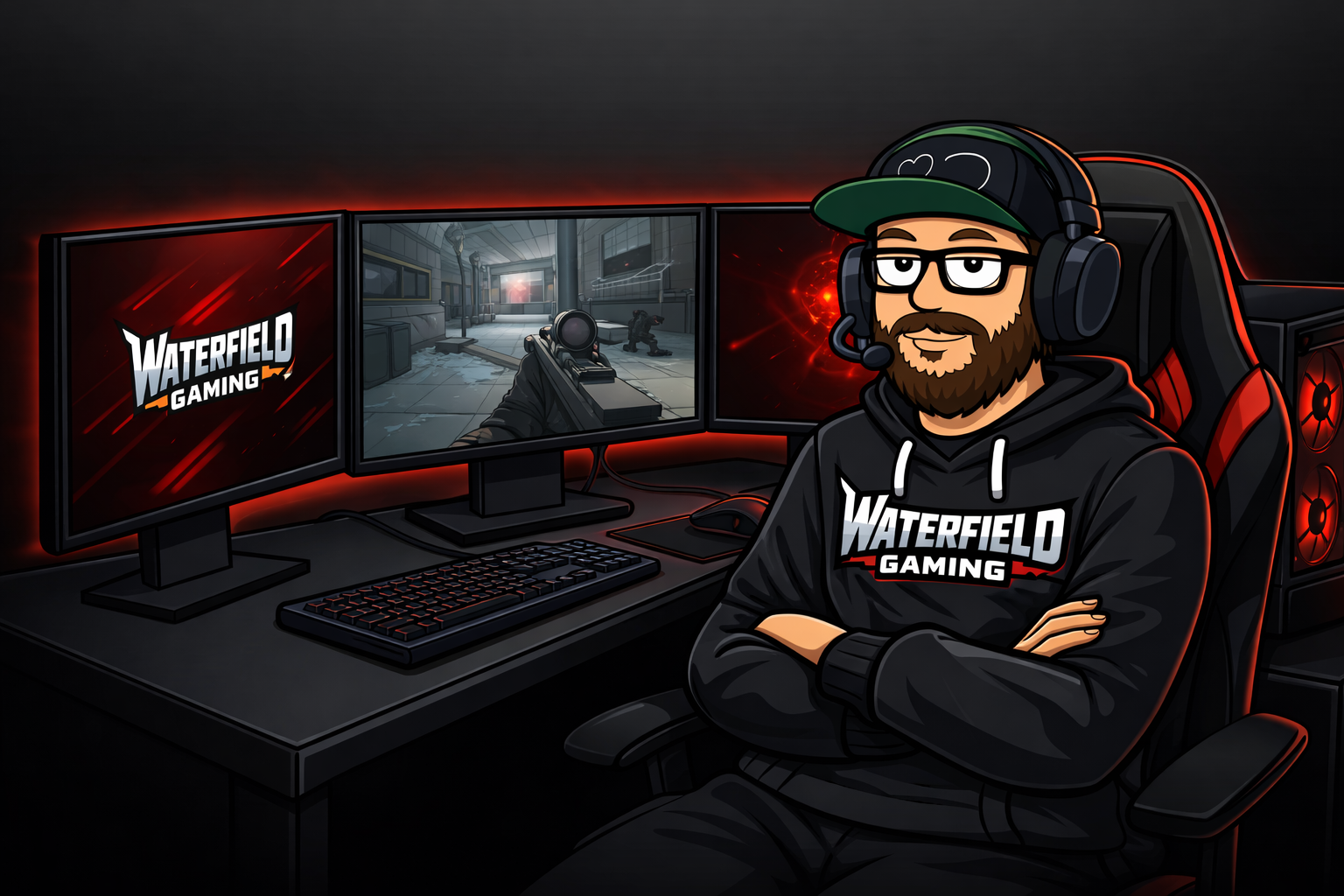

Streaming has rapidly transformed from a niche internet activity into a global form of entertainment, community, and even career-building. What once required expensive equipment and technical expertise is now accessible to almost anyone with a decent internet connection and a bit of creativity.
At its core, streaming is about sharing experiences in real time. Whether it’s gaming, music production, radio broadcasting, or just chatting with an audience, the appeal lies in its immediacy. Unlike traditional media, viewers aren’t just passive consumers they can interact, comment, and shape the content as it unfolds. This creates a unique bond between streamer and audience that feels far more personal than pre-recorded content.
One of the biggest drivers behind streaming’s growth is accessibility. Platforms have simplified the process so much that getting started can take less than an hour. A basic setup a computer, microphone, and webcam is often enough to begin. From there, streamers can gradually improve their production quality with overlays, alerts, and better equipment as their audience grows.
Consistency plays a major role in building a successful stream. Viewers tend to return not just for the content, but for the personality behind it. Establishing a schedule, maintaining a clear theme, and interacting regularly with chat helps create a sense of community. Over time, this community becomes the backbone of a channel, often supporting it through subscriptions, donations, or simply spreading the word.
Another key aspect of streaming is branding. From logos and overlays to tone of voice and content style, successful streamers present a cohesive identity. This makes them more memorable and helps them stand out in an increasingly crowded space. Even small details like consistent colours or catchphrases can make a big difference.
However, streaming isn’t without its challenges. Growth can be slow, and competition is intense. It requires patience, persistence, and the ability to adapt. Technical issues, burnout, and maintaining audience engagement are all common hurdles. The most successful streamers are often those who treat it like a long-term project rather than expecting instant results.
Despite these challenges, streaming continues to thrive because of its authenticity. Audiences are drawn to real, unscripted moments whether it’s a clutch win in a game, a live DJ set, or just a casual conversation. It’s this raw, interactive nature that keeps people coming back.
As technology evolves, streaming is likely to become even more immersive, with improvements in video quality, interactivity, and integration across platforms. But at its heart, the concept will remain the same: people connecting with people, live, in the moment. @Jase